
 Image: Mohammad Bagher Ghalibaf - Mohammad Hassanzadeh / Tasnim News Agency / Wikimedia Commons, CC BY 4.0.
- Ghalibaf says the U.S. naval blockade and Lebanon escalation show Washington is not complying with the ceasefire.
- His warning was reported Monday, with the line that every choice has a price and the bill comes due.
- The U.S. position is different: Vice President JD Vance said Washington never indicated Lebanon was included in the Iran ceasefire deal.
Iranian Parliament Speaker Mohammad Bagher Ghalibaf is again tying the Iran ceasefire track to Lebanon, saying Israel's escalation there and the U.S. naval blockade prove Washington is not honoring the deal.
The warning matters because it turns the Lebanon front into a test of whether U.S.-Iran talks can continue. Tehran is saying Lebanon is part of the ceasefire logic. Washington is saying it never agreed to include Lebanon in the Iran ceasefire package.
What Ghalibaf said
FXStreet reported Monday that Ghalibaf said the naval blockade and the escalation of war crimes in Lebanon by the "genocidal Zionist regime" are clear evidence of U.S. noncompliance with the ceasefire. The Economic Times carried the same warning, saying Ghalibaf posted on X that every choice has a price and the bill comes due.
The phrase being clipped online as "there will be a price to be paid" is directionally right, but the cleaner sourced wording is the "every choice has a price" line reported from his X post.
Why Lebanon is the dispute
Iran has repeatedly argued that any U.S.-Iran ceasefire or peace framework must include a Lebanon ceasefire. Iranian officials have framed Hezbollah and the wider "resistance axis" as inseparable from the regional conflict created by the U.S.-Israel war with Iran.
The U.S. has pushed back. CBS reported last month that Vice President JD Vance said Washington never indicated Lebanon would be included in the ceasefire agreement. Vance called the disagreement a "reasonable misunderstanding" and said ceasefires are always messy.
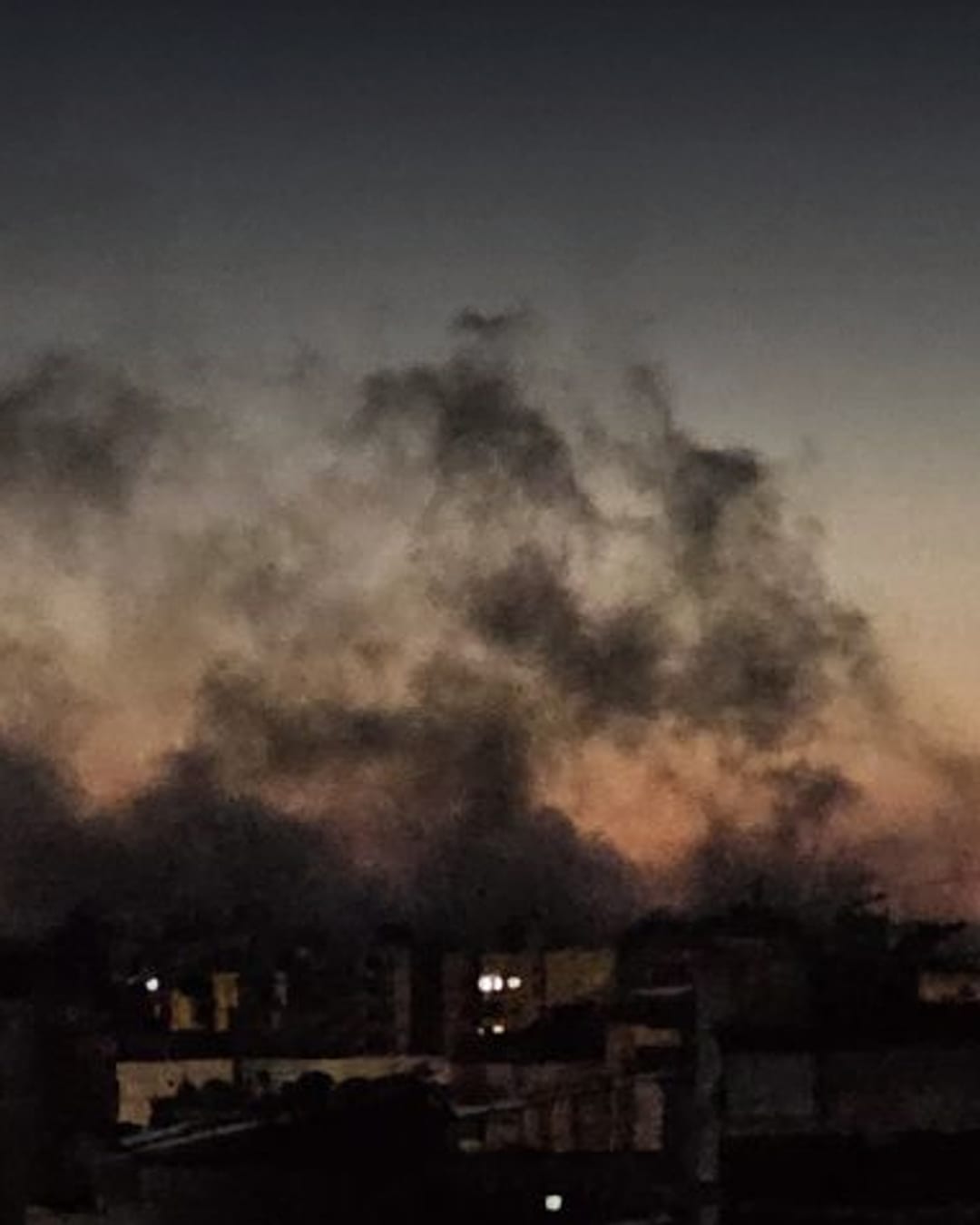 Image: Smoke rises from the site of an Israeli airstrike in Haret Hreik, Beirut's southern suburbs, on May 6, 2026 - AFP via This Is Beirut.
What is confirmed
Confirmed: Ghalibaf made the warning; it referenced both the U.S. naval blockade and Israeli military operations in Lebanon; and it framed those actions as evidence that Washington is failing to comply with ceasefire terms.
Also confirmed: the Lebanon front is worsening. Axios reported Monday that the latest U.S. push for a Lebanon ceasefire has stalled as Israel expands ground operations and seeks U.S. backing for large strikes on Hezbollah targets in Beirut. That context helps explain why Ghalibaf is using Lebanon as the pressure point.
What is not confirmed
Not confirmed: that the U.S. publicly agreed to include Lebanon in the Iran ceasefire. Iran says Lebanon belongs inside the framework; Vance says the U.S. never made that commitment.
Also not confirmed: what "price" Iran would impose if it judges the ceasefire to have failed. The line is a warning, not a public operational order. It could mean diplomatic delay, pressure through proxies, naval pressure around Hormuz, or some combination of those tools.
Why it matters
The dispute exposes the weak point in the ceasefire architecture. If each side believes it agreed to a different map of the conflict, every new Israeli strike in Lebanon can become a test of the Iran track.
For Washington, separating Lebanon from the Iran ceasefire preserves room for talks on uranium, assets and shipping. For Tehran, excluding Lebanon would leave Hezbollah exposed while Iran is expected to keep its own front quiet. That is why Ghalibaf is turning the issue into a compliance test.
What to watch next
The next signal is whether Iran's foreign ministry repeats Ghalibaf's wording or softens it. Watch also for Vance, Rubio or the White House to restate whether Lebanon is outside the deal.
The clean read: Ghalibaf's warning is real, but the central disagreement is not only whether the ceasefire is being violated. It is whether Lebanon and the naval blockade were part of the ceasefire bargain in the first place.
NoDechev rating: verified warning, disputed framework. Ghalibaf's statement is reported; the U.S. and Iran do not publicly agree on whether Lebanon belongs inside the ceasefire deal.
Also Read
The Lebanon dispute is now feeding directly into the U.S.-Iran ceasefire argument.
Read the Beirut strike brief ->