

 Image: Intel Xeon 6+ silicon wafer - Intel Corporation.
- Intel disclosed new Crescent Island AI accelerator details at Computex, including up to 480GB of LPDDR5x memory.
- The product is aimed at inference and agentic AI workloads, not publicly proven as a direct replacement for Nvidia's highest-end training systems.
- The key caveat: Intel has confirmed roadmap and technical details; broad shipping, pricing and real customer performance are still not public.
Intel is trying to re-enter the AI accelerator conversation with a narrower, cheaper-looking bet than the biggest Nvidia and AMD systems: an inference-focused data-center GPU called Crescent Island.
The latest update came around Computex in Taipei. Intel said its data-center announcements include continued progress on Crescent Island, a next-generation GPU built on Xe 3P architecture and designed for agentic AI systems where memory capacity, bandwidth, orchestration and power efficiency matter as much as raw training performance.
What Intel announced
Intel says Crescent Island will use LPDDR5x memory and deliver up to 480GB of capacity. The company describes the card as a 350W air-cooled PCIe design, which is important because it points toward deployment in more conventional enterprise servers rather than only the densest liquid-cooled AI racks.
The accelerator is also being positioned around a broad set of datatypes and microscaling formats, from FP4 and MXFP4 through FP64. That matters for inference because lower-precision formats can help run models more efficiently, while broader datatype support gives developers more flexibility across AI and scientific workloads.
What is confirmed
Confirmed: Intel publicly identifies Crescent Island as its next-generation data-center GPU for inference-oriented AI workloads. In October 2025, the company said customer sampling was expected in the second half of 2026 and listed 160GB of LPDDR5X memory as a key feature.
Also confirmed: Intel's new Computex-era language raises the capacity target to up to 480GB of LPDDR5x memory and frames the design around agentic AI, token-heavy inference and cost-of-ownership pressure.
Reuters, citing the Financial Times, reported that Intel is targeting Nvidia with a new AI chip by year-end. That is directionally consistent with Intel's own second-half 2026 sampling language, but readers should separate launch messaging from broad production availability until Intel names ship dates, customers and performance data.
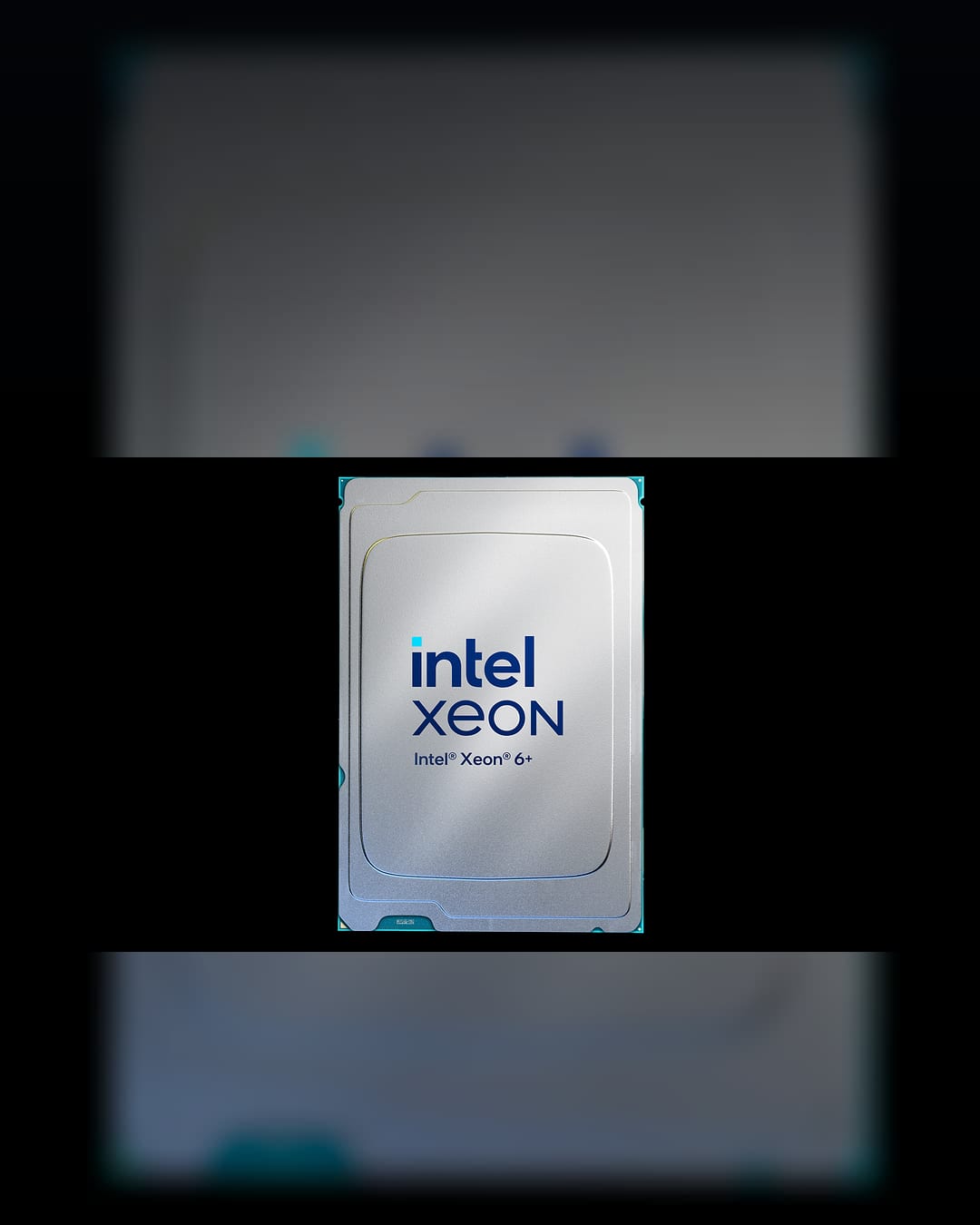 Image: Intel Xeon 6+ processor - Intel Corporation.
Why LPDDR5x matters
The unusual part is memory. Nvidia and AMD's flagship data-center accelerators lean heavily on high-bandwidth memory, or HBM. HBM is fast and expensive, and supply has become a major constraint as AI demand rises.
Crescent Island's LPDDR5x approach looks like a different tradeoff. LPDDR5x can offer high capacity and lower power, but it generally does not match HBM bandwidth. That makes the card more interesting for large-context, token-heavy inference and batch serving than for the most demanding model training races.
How it competes with Nvidia and AMD
The headline says Intel is taking on Nvidia and AMD, but the clean read is more specific. Crescent Island appears designed to compete for value-conscious inference deployments, especially where customers want lots of memory in air-cooled servers and are willing to accept a different performance profile than top-end HBM accelerators.
Nvidia still has the stronger full-stack advantage: GPUs, networking, CUDA, systems, developer mindshare and cloud availability. AMD has been pushing Instinct accelerators and rack-scale AI systems. Intel's route is to argue that the AI market is widening beyond training into enterprise inference, orchestration and data movement, where CPUs, Ethernet and lower-cost accelerators can matter.
What is not public yet
Intel has not published full Crescent Island performance numbers, final pricing, named launch customers or verified production volume. Those omissions matter. A chip can be strategically important and still fail to dent Nvidia's market position if software support, supply, model compatibility or cloud adoption lag.
The other missing detail is timing. "This year" can mean a product announcement, customer sampling, limited availability or broad shipments. Intel's own public record currently supports second-half 2026 customer sampling and updated technical details; broad commercial impact remains a 2026-to-2027 question.
Why it matters
AI chip competition is no longer only about the biggest training clusters. The inference side of the market is growing as companies deploy agents, copilots, search systems and internal AI tools. Those workloads can be memory-hungry and cost-sensitive, which gives Intel a more plausible opening than trying to beat Nvidia at its strongest point immediately.
If Crescent Island ships on time, works with enough mainstream AI frameworks and lands at an attractive price, it could give Intel a real foothold in inference. If it remains a late, under-supported accelerator with no visible customer wins, the announcement will read like another roadmap promise in a market that rewards delivered systems.
NoDechev rating: confirmed roadmap update, launch impact not yet proven. Intel has disclosed Crescent Island specs and H2 2026 sampling plans; performance, customers and broad availability are still the watch points.
Also Read
The infrastructure story behind AI chips is power, cooling, memory and deployment timelines.
Read the AI data center explainer ->